Masterworks of Horror
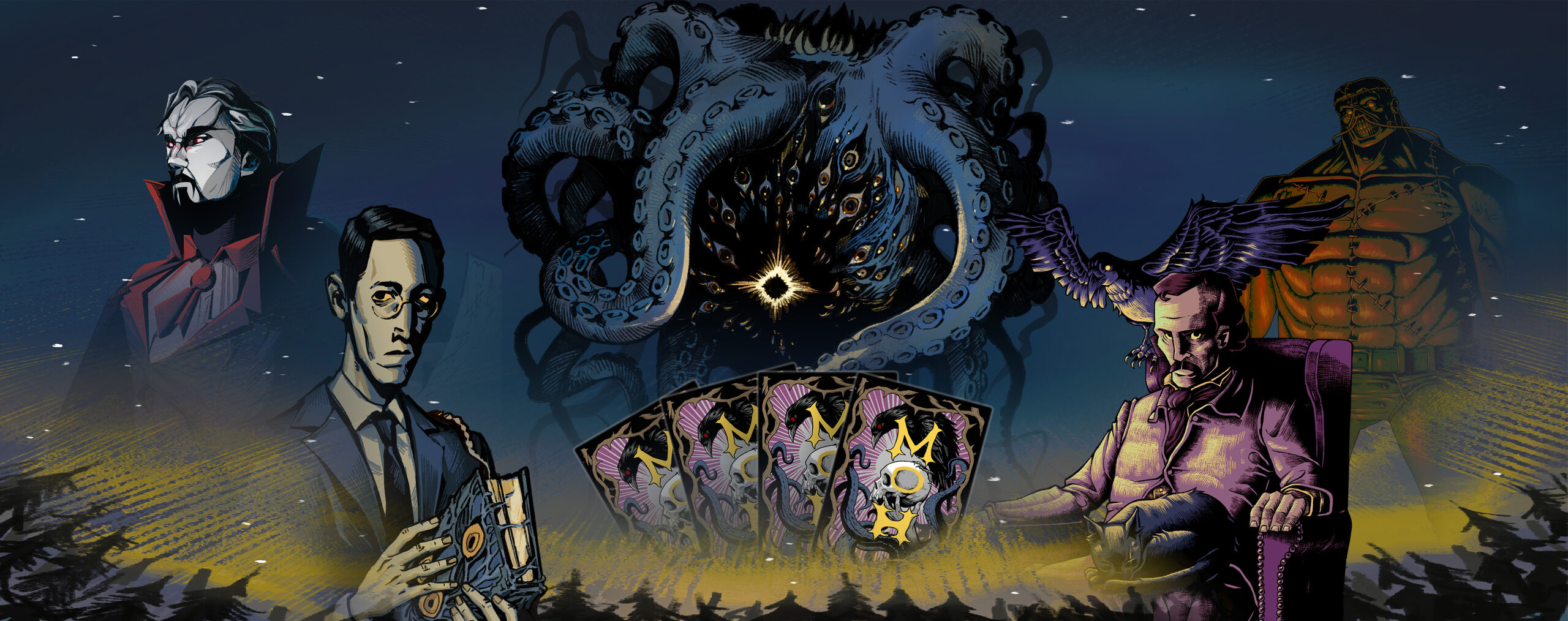
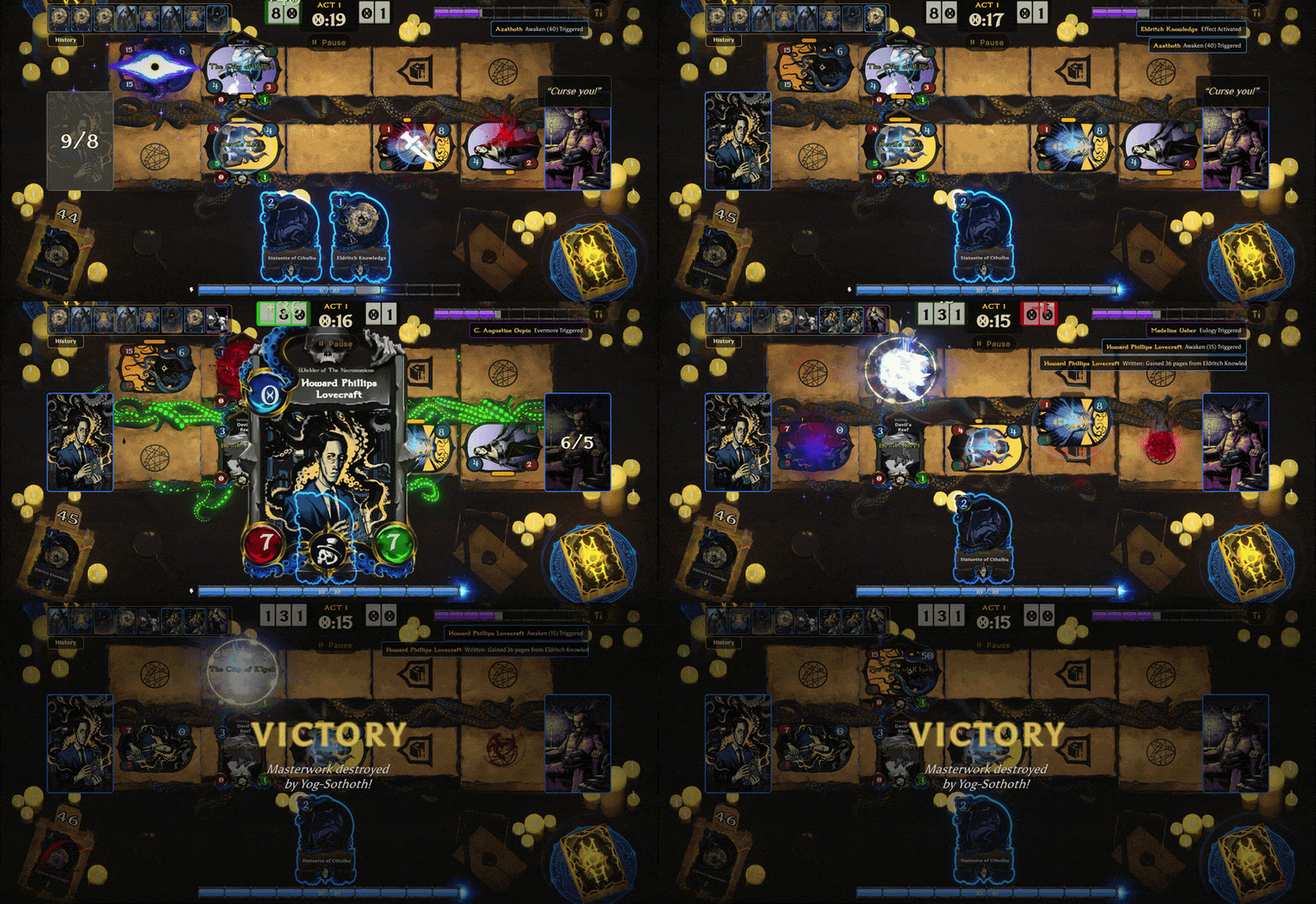
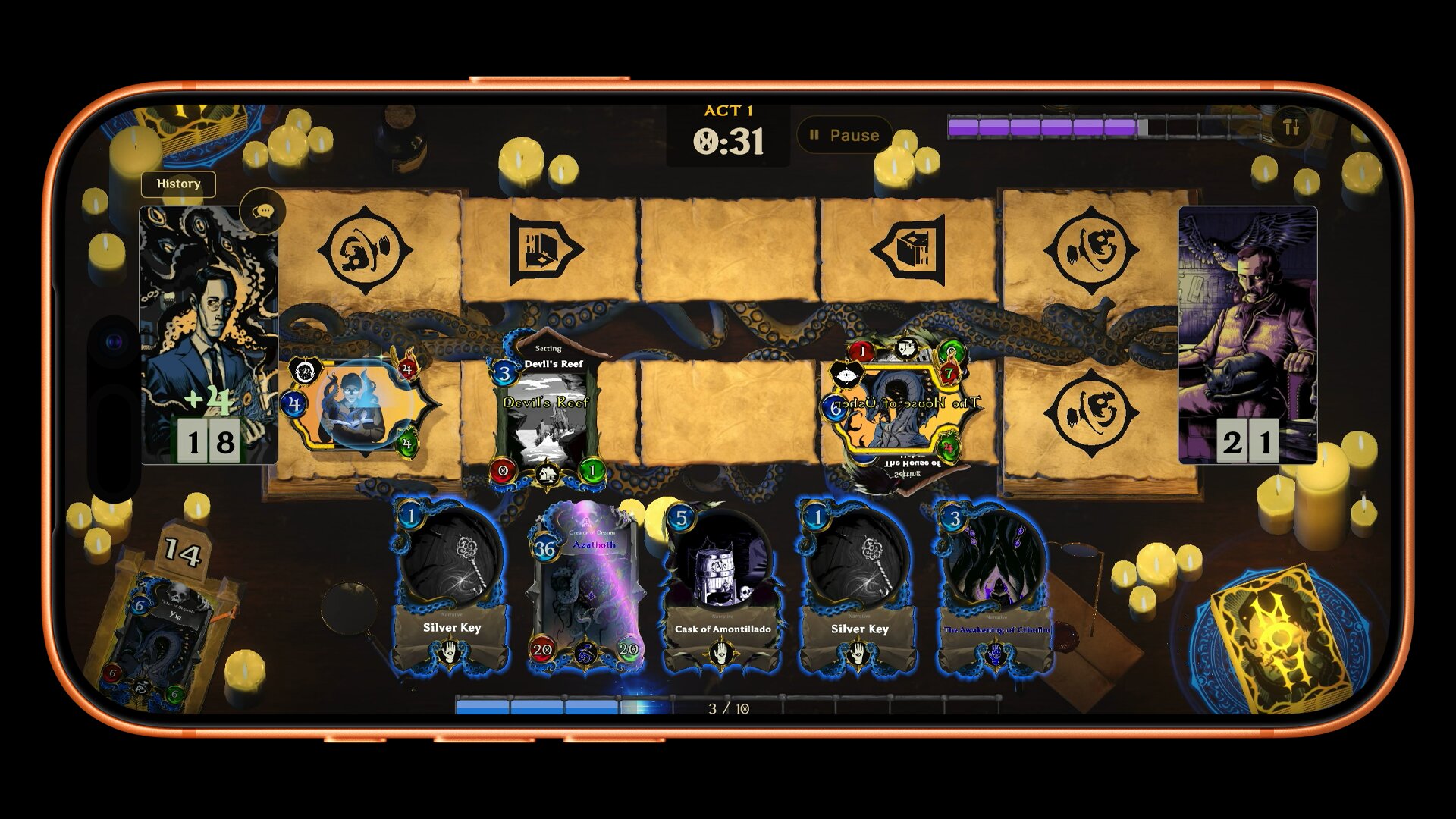
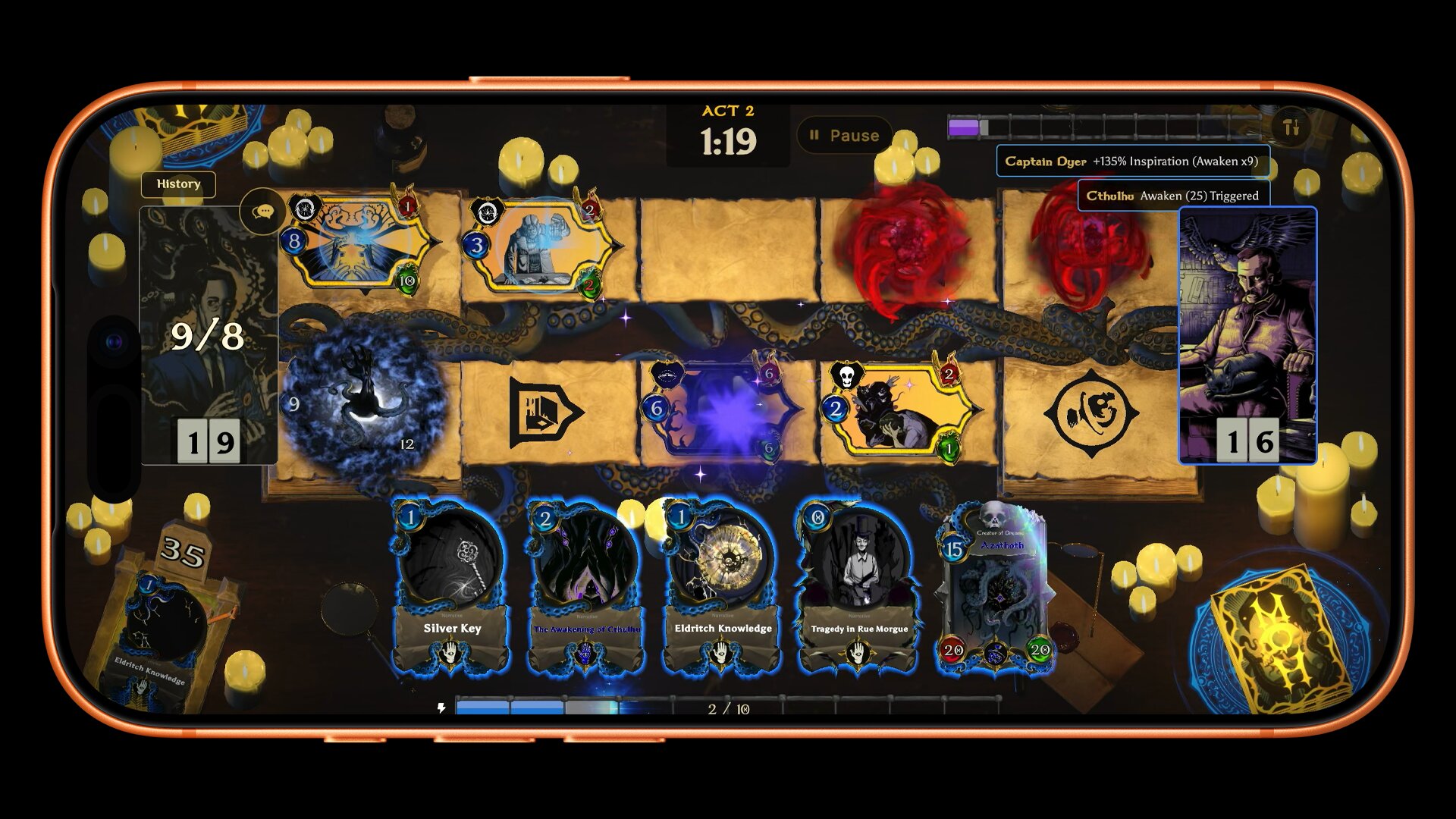
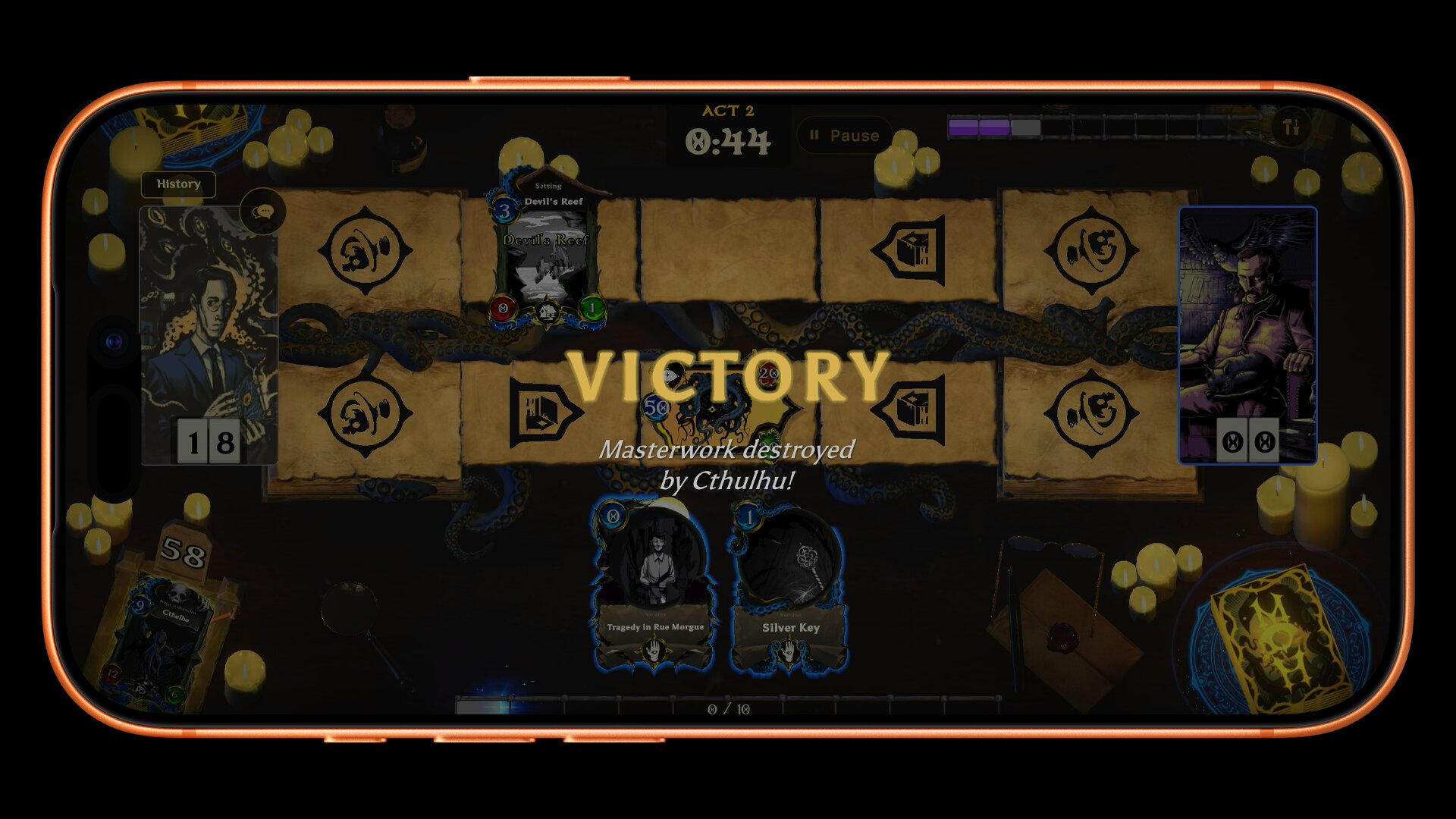
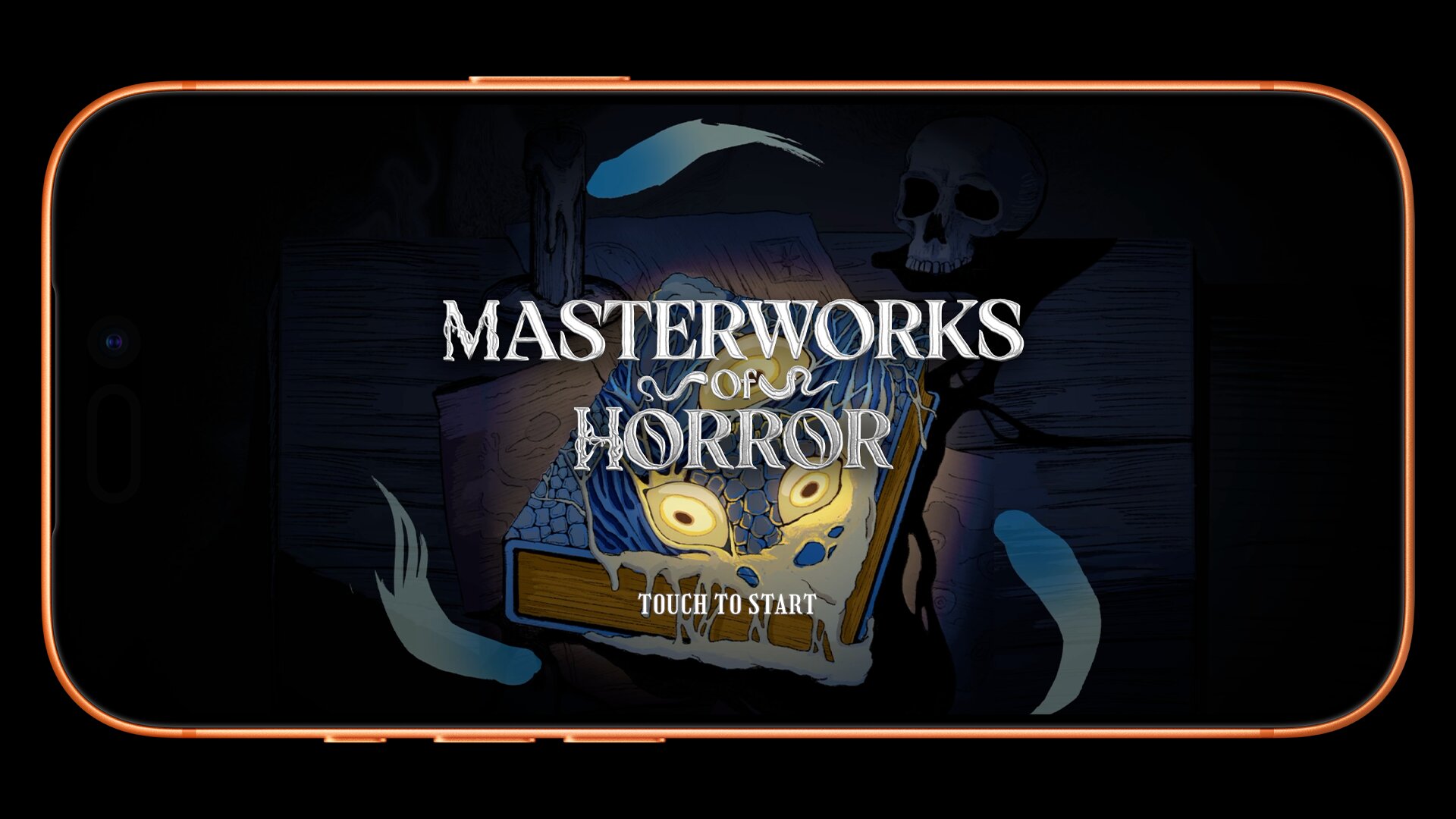
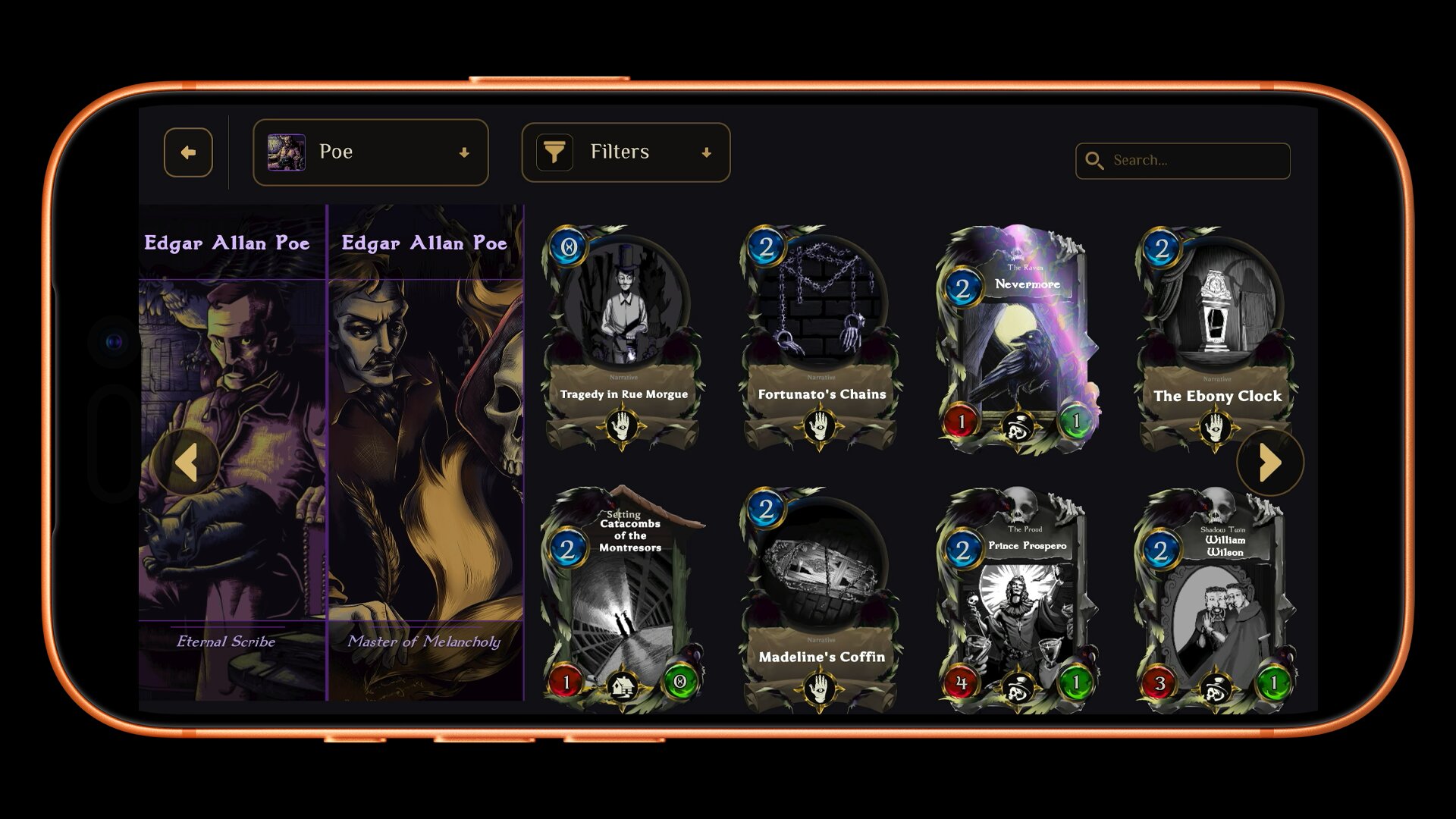
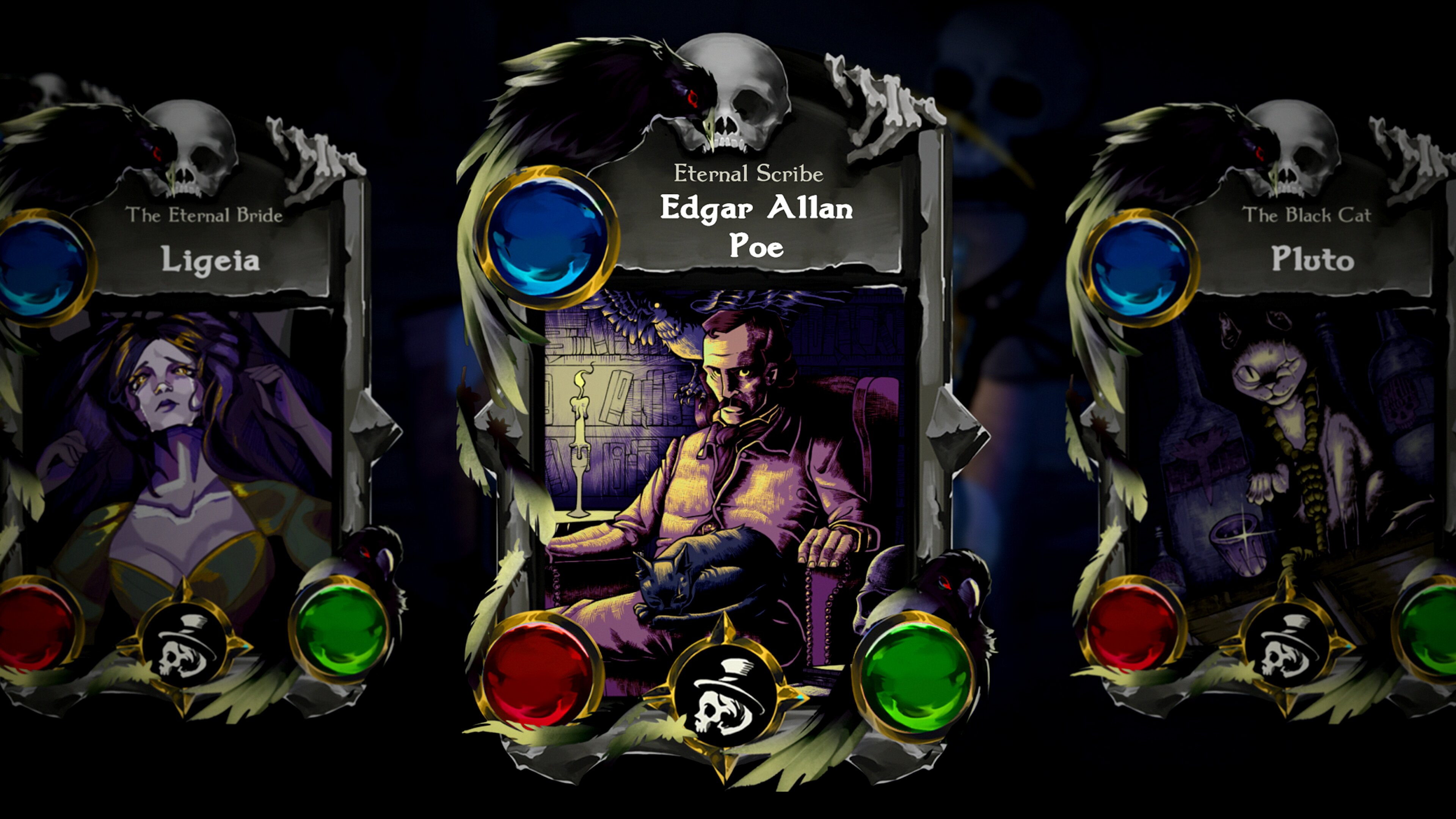
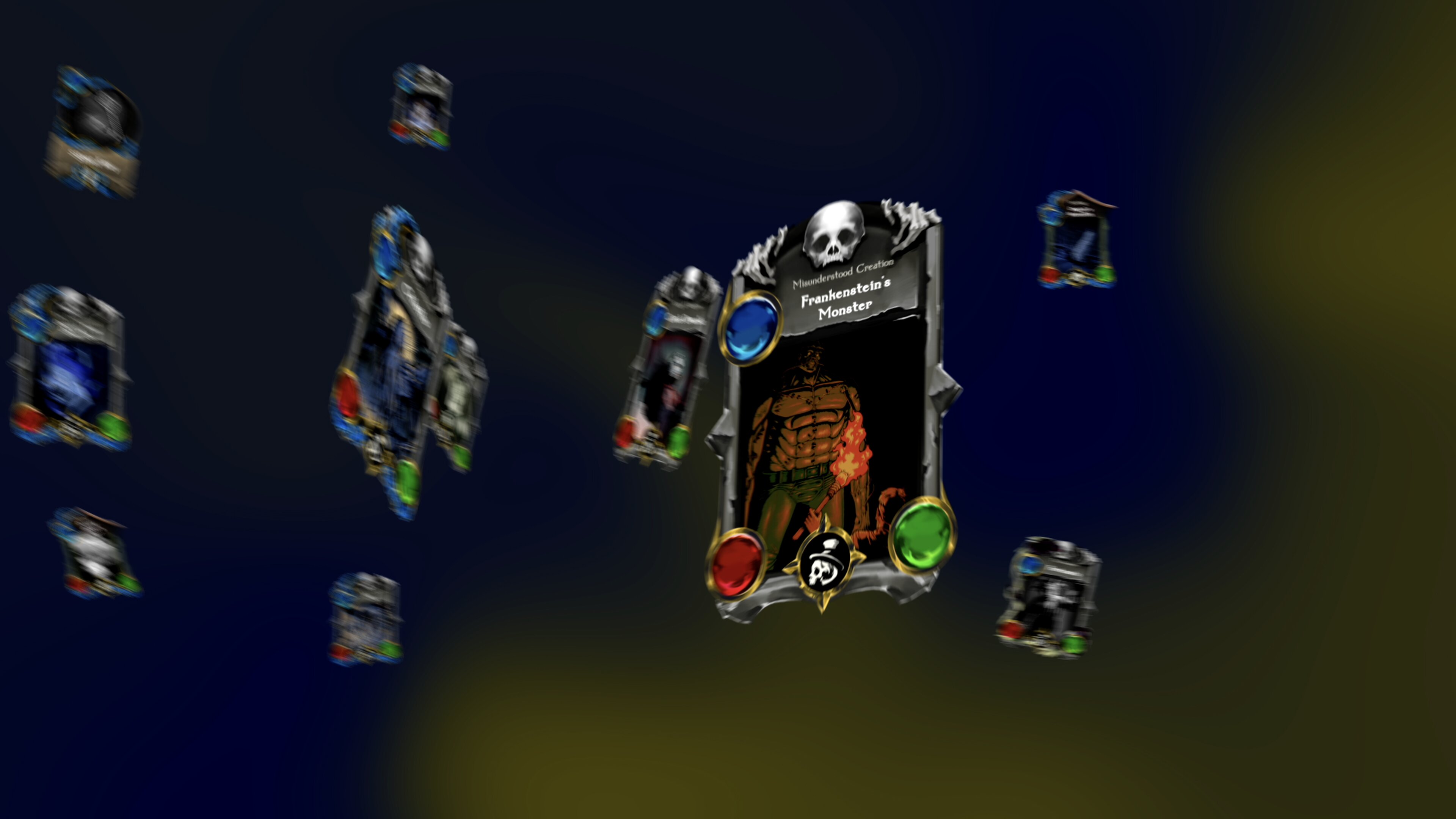
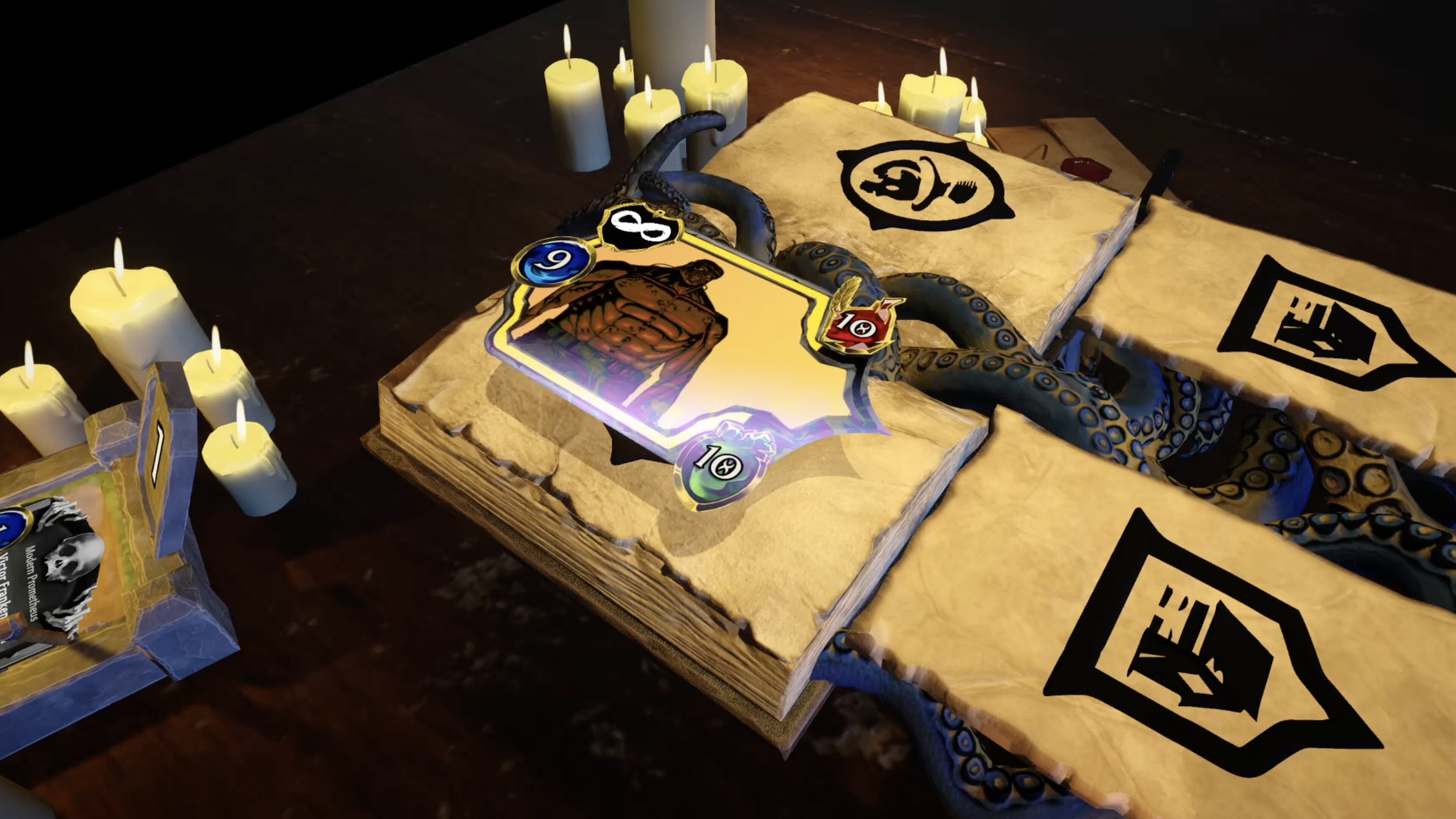
Featured at GDC 2026, Masterworks of Horror: The Prologue is a real-time PvP card-battler created in USC’s Advanced Games Project program with a team of over 55 students and volunteers.
My role on Masterworks was managing and leading our large team from recruitment to release alongside our creative director. I led production: scheduling, sprint tracking, notes, documentation, team structure, and more. But with my interdisciplinary design and film background, I quickly became the team’s creative Swiss Army knife, handling slide deck formatting, fonts, trailers, and more. Creating trailers became my natural rhythm of surveying the state of the game, not just internally, but the way players might see what we had to showcase.
1: Fall Recruitment Trailer
2: Spring Recruitment Trailer
3: GDC Trailer
4: The Prologue Launch Trailer
The trend of development was moving from conceptually cool to clear and impactful. Our first Fall Recruitment Trailer was a core team-wide push to showcase our game as best as possible in comparison to other projects students could choose to work on. We had just wrapped up a summer of preproduction, and were still making tweaks to the game up until the trailer was exported. Narrative became my strategy here: I experimented with AI animation and recruited a voice actor friend to supplement our gameplay’s good atmosphere but unclear interactions.
Arguably the largest shift was between our Fall and Spring Recruitment Trailer. Almost immediately after hitting a true vertical slice and pausing most development in December, we decided to make our portrait game a landscape one. The refactor was handled by the core team, and soon it was time to pitch our game again. While AI animation and voiceover were still there, visual and narrative cohesion was improved. I began experimenting with customized After Effects templates to create animated card art segments. We also began building the gameplay recording pipeline that would be used throughout the rest of development using OBS and mobile screen recording. And, to bring it all together, I cut the trailer to our original soundtrack.
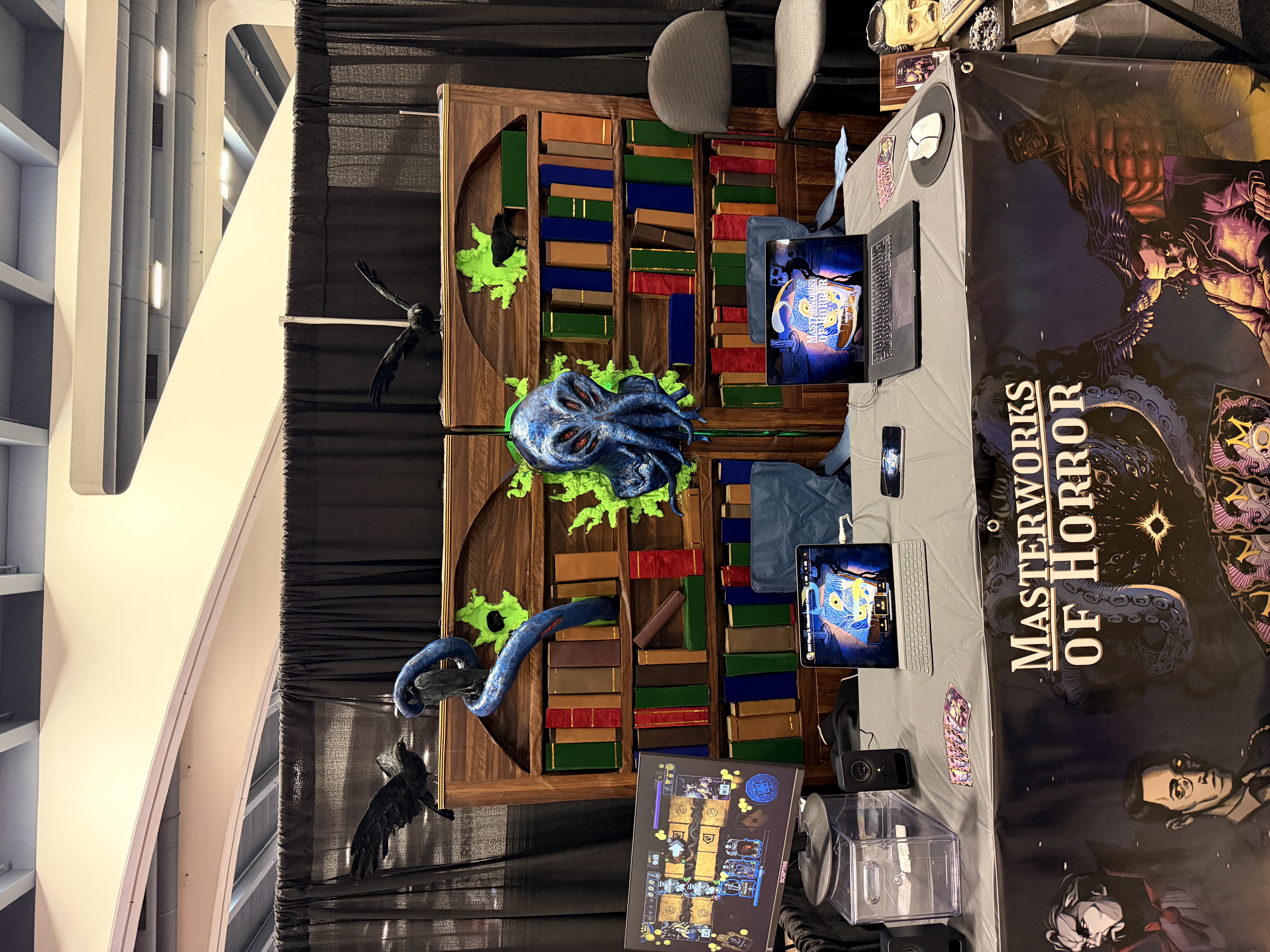
GDC was when the trailer became fun. I could direct a proper narrative because we had the art for entire authors’ decks. AI animation was replaced with After Effects sequences. We built a free-cam tool that I designed, allowing for more cinematic interactions. Visuals got a huge overhaul, requiring me to rerecord footage far too close to release. One of my favorite memories working on Masterworks was recording gameplay footage in the basement of the San Francisco Moscone Center before the GDC Show Floor had opened. While I was not listening to talks with my friends, I certainly learned from hands-on gameplay capture! In addition to the GDC Trailer, I edited a tutorial gameplay loop shown at our GDC booth.
In between my third and fourth trailers, we produced an outsourced trailer that I storyboarded and recorded gameplay for. Development made it a rocky time, as bugs meant we often had to rerecord gameplay after patches. But, my not being allowed to edit this trailer built up my desire to showcase the project one last time.
The Prologue trailer cemented the fork in development: Masterworks would live on to be a bigger IP while Masterworks of Horror: The Prologue would be the version we produced with USC and released. This final trailer was my send-off, a way to encompass the project I had produced and a way to properly feature some of our Trapped Authors’ cards that had been completed after GDC.
Throughout development, I learned trailers are massive morale boosters for a team. They also provide an excellent opportunity to check in across departments, provide feedback, and assess where a game is at in production.
Part of the fun of being a creative producer is getting to suggest ideas with the understanding of where a team is at in development, making your suggestions more easily accepted. After we had hit beta, I pitched the design for a meta-progression quest system to add ~5 hours of content to the game. The way I saw it, meta-progression was free content, given it would simply require tracking how a player was already playing. It also gave some direction for players to learn different strategies, mechanics, and combos. Before I knew it, the idea went from mine to the team’s.
Initially, I was going to be a designer on Masterworks, but I welcomed the invitation to produce because I felt I did not have the specific vision for (card) design that a designer needed. Instead, my role was supporting the creative direction of my friends and teammates. And naturally, as creative people do, I developed some ideas of my own along the way and was blessed with a team that valued my creative voice.
I used to not like the idea of being a producer because it meant you did not have a creative voice. But it is precisely the overarching, interdisciplinary view that a producer must have that allowed me to support a creative vision and utilize my design background. Masterworks allowed me to regularly provide design, art, UI, and marketing feedback. My opinion was not just heard, it was sought after, which was a joy.
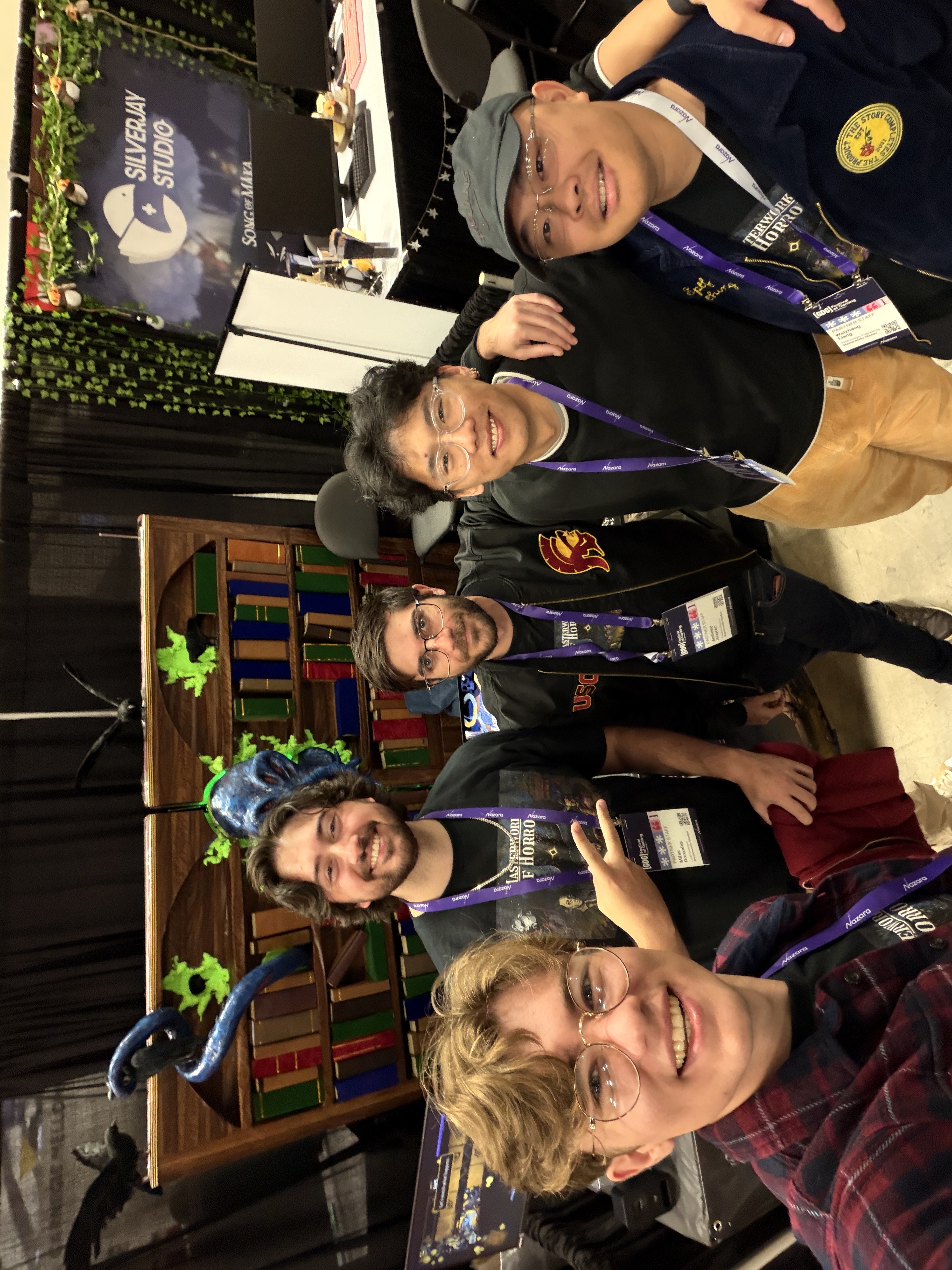
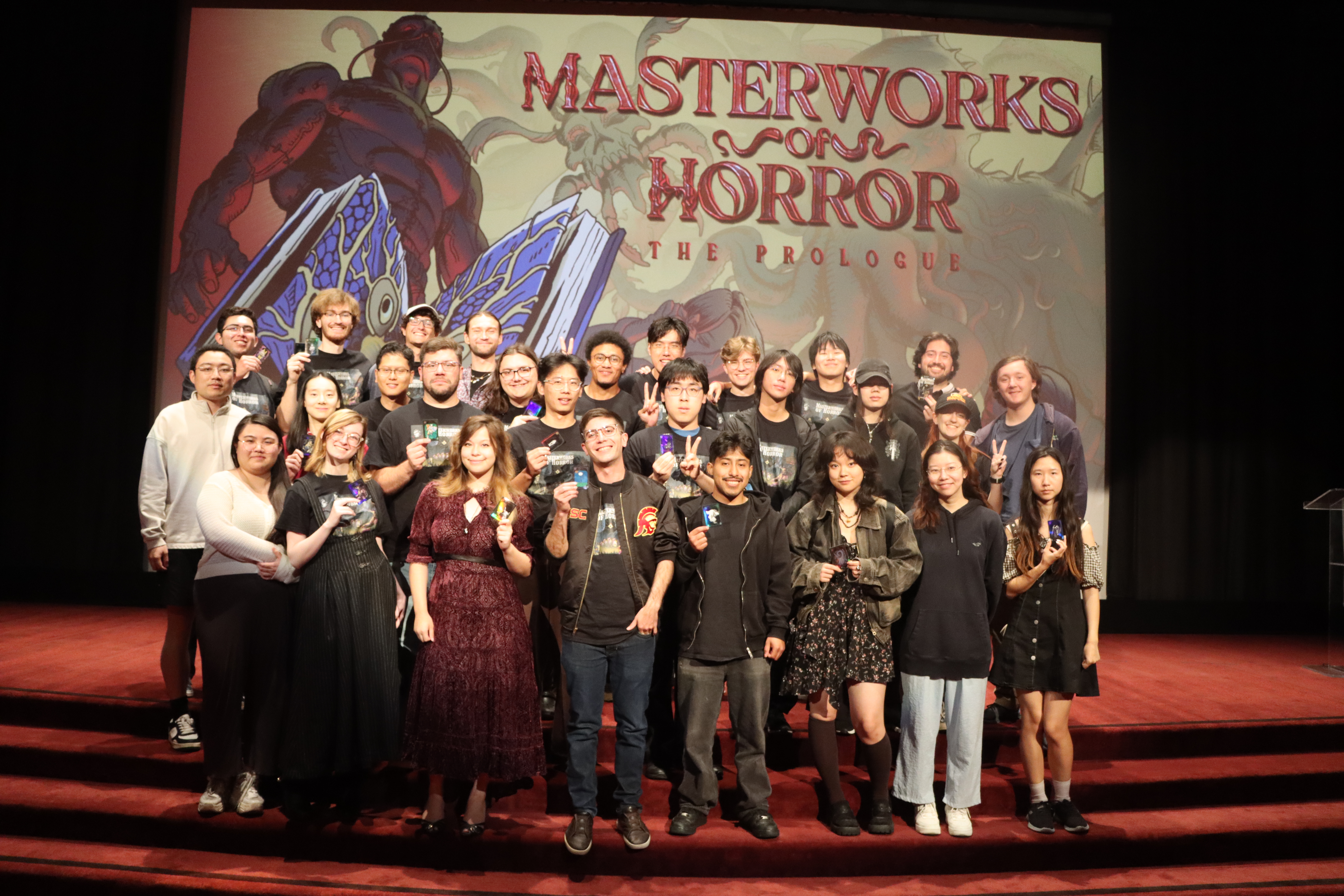
I am so proud of Masterworks of Horror: The Prologue and our amazing team. Play it now on Mac and Windows, available on itch.io!